
What Is Coliving?
Coliving is a residential housing model in which individuals typically rent private bedrooms and share common areas such as kitchens, living rooms, laundry areas, or other amenities within a professionally managed property.
For investors, coliving is more than a leasing format. It is an operating model that connects property design, resident experience, management, occupancy, compliance, and room-by-room economics.
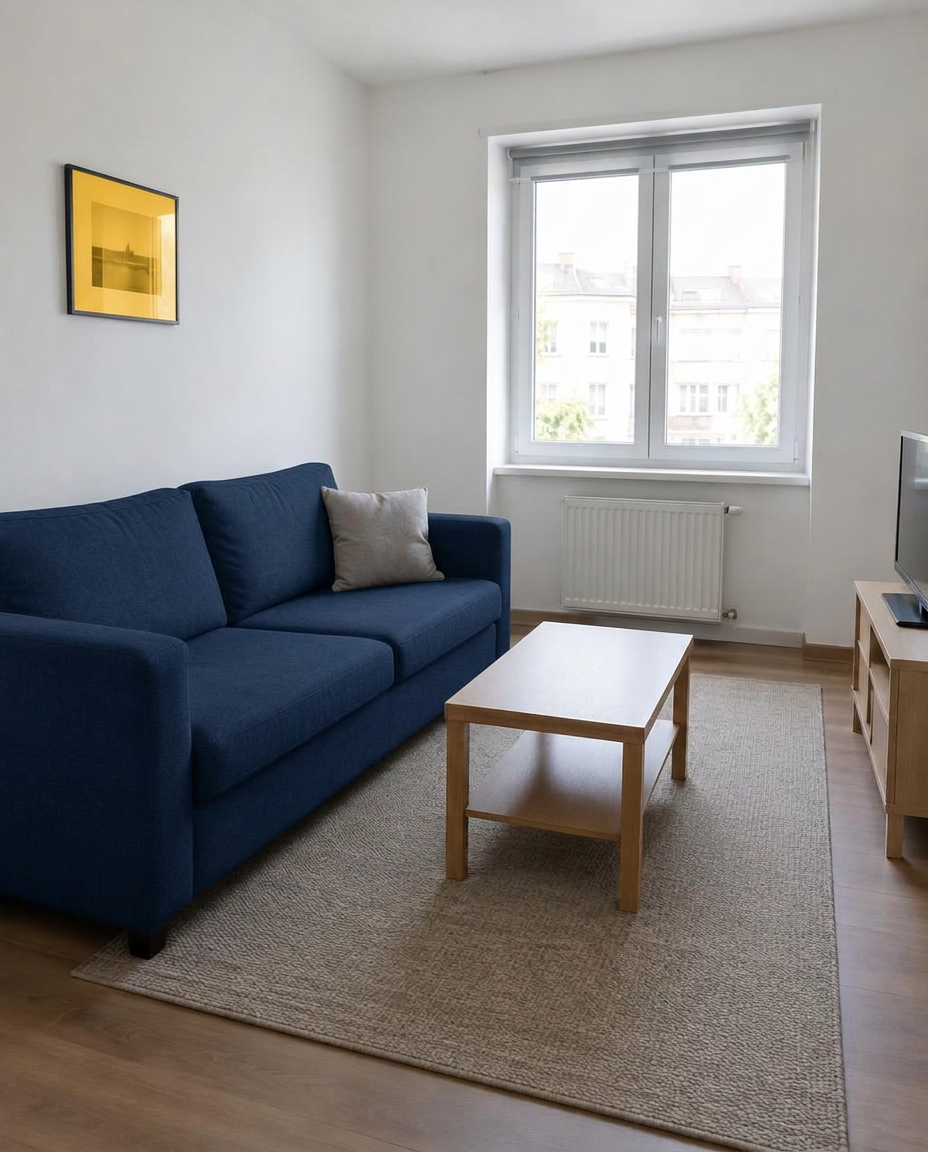
How the Coliving Model Works
A traditional rental often depends on one household and one primary lease. In coliving, bedrooms may be rented separately to multiple residents. This can diversify revenue within one property and change how investors evaluate vacancy, pricing, and use of space.
One vacant room does not necessarily mean the entire property stops generating rent. However, multiple residents also create additional management requirements, so occupancy and revenue must be analyzed together with operating costs.
The Impact for Rental Income.
Coliving can increase rental income by renting individual bedrooms instead of the entire property to one household. This can improve the use of space and diversify rental income, although actual results depend on occupancy, pricing, expenses, demand, and operations.
This structure can diversify the sources of Rental Income within one property. If one room becomes vacant, the entire asset does not necessarily stop generating rent.
What Coliving Is — and What It Is Not

Coliving is not simply overcrowding a house or adding as many bedrooms as possible. A sustainable model requires appropriate private space, functional shared areas, clear rules, professional management, and a property that can support multiple residents.
It is also different from short-term rentals such as vacation rentals. The exact legal classification of a coliving property varies by jurisdiction and must be verified locally.
Why Investors Consider Coliving
Room-by-room revenue can create a different income structure from a whole-home lease.
Vacancy may be distributed across individual rooms rather than the entire property.
Existing space may be used differently when the layout supports multiple residents.
Demand may come from renters seeking private space, flexibility, and professionally managed shared housing.
These potential advantages do not make every property or market suitable for coliving. The investment still requires realistic underwriting and local due diligence.
Coliving Is an
Operating Business
Screening, leases, communication, maintenance, cleaning standards, utilities, house rules, pricing, and occupancy all require systems. An attractive spreadsheet is not enough if the property cannot be operated effectively.